Market Signals #8: How AI Is Changing Search Targeting, Ads, and Brand Visibility

.png)
The past two weeks show how quickly the mechanics of search and paid media are being rewritten.
Google is removing more manual controls from Search campaigns. ChatGPT Ads is expanding into Europe and adding more performance features. AI search citation research is making one thing clear: visibility in AI answers does not follow the same rules as visibility in traditional search. At the same time, Google is adding new experimentation tools for Search and AI Max, giving advertisers more ways to test automation without fully committing upfront.
Here’s what changed, and what we think it means for paid media.
Google Search Language Targeting: Why Ad Copy Is Becoming a Bigger Signal
Google is removing the campaign-level language targeting setting from Search and AI Max for Search campaigns, with the change expected to begin in late September, according to the update shared via agency briefing.
Instead of advertisers selecting languages at the campaign level, Google will decide which ads to serve based on the language of the ads themselves and its own signals about the languages a user understands. Those signals can include the search term, user language settings, and other preferences. For Performance Max, the change applies specifically to Search placements. Language settings will still guide delivery across YouTube, Display, Discover, and Gmail, while Shopping ads in PMax are not affected.
Our take
This is another example of Google moving control away from campaign settings and into interpretation systems.
The practical impact is simple: language delivery becomes less predictable. Advertisers can no longer assume that campaign-level settings will define who sees which language version of an ad. Instead, the ad copy itself becomes a stronger targeting signal.
For brands operating across multilingual markets, this raises the bar for copy structure, landing page alignment, and market-specific messaging. If the system is using language cues to decide relevance, then mixed-language assets, generic copy, or poorly localized pages could create real delivery issues.
The bigger shift is not just about language. It is about how much more responsibility now sits in the assets advertisers provide.
ChatGPT Ads Expansion: AI-Native Advertising Moves Into Europe
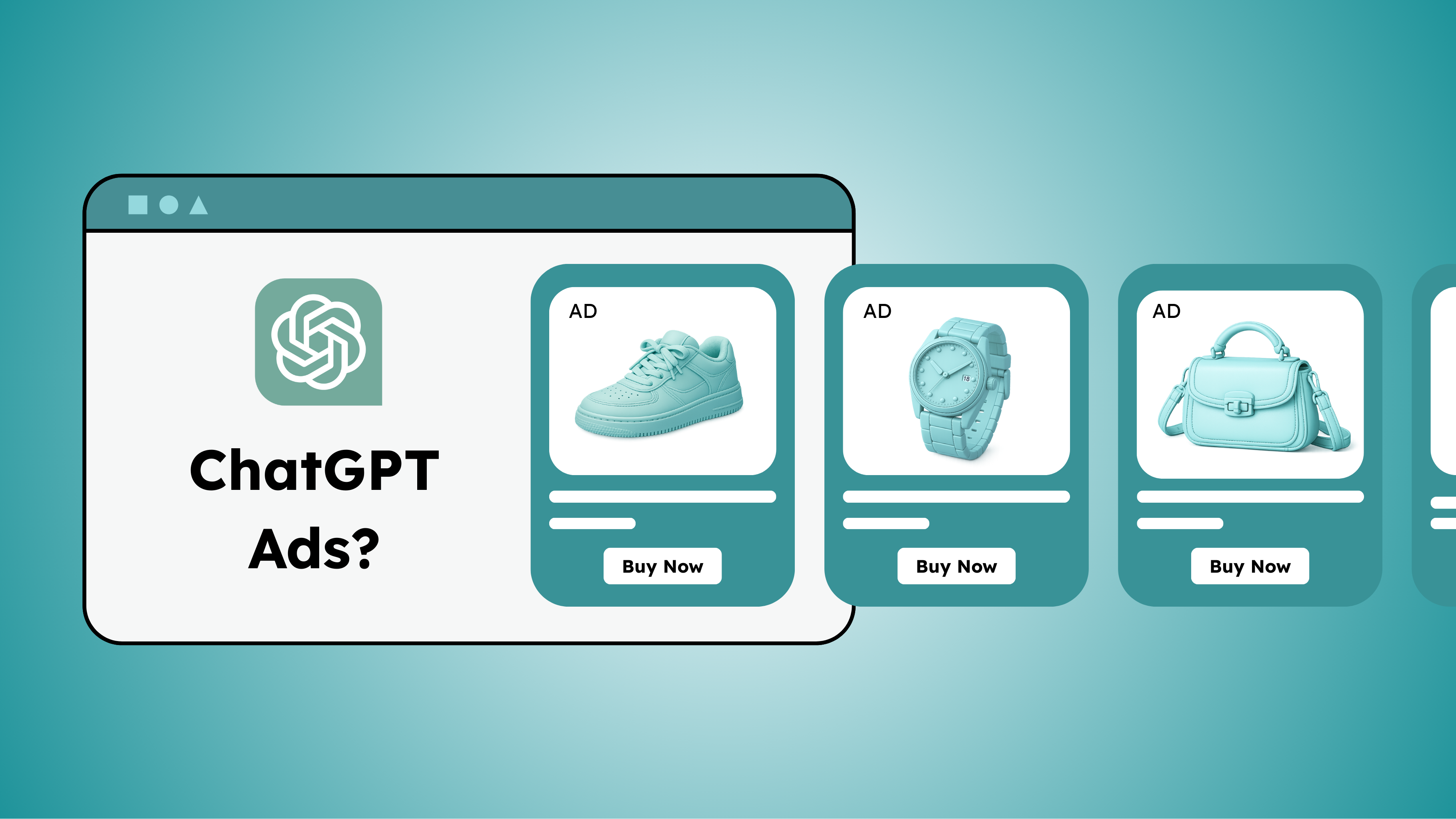
ChatGPT Ads has expanded into Europe, with OpenAI announcing that 31 European countries would go live, including Germany, France, Spain, Italy, Sweden, Norway, Denmark, the Netherlands, and Austria. OpenAI says advertisers will initially access ChatGPT Ads through its Ads Solutions team, agency partners, and technology partners, with self-service Ads Manager access expected later.
The platform is also becoming more operationally mature. Recent product updates include a maximize results bid strategy, platform targeting across iOS, Android, and Web, one-day view-through conversions, and WorkMagic integration for performance reporting and conversion signal feedback.
Our take
This is the moment ChatGPT Ads starts to move from “interesting test” to serious emerging channel.
The European expansion matters because it opens access to large ecommerce and retail markets where conversational research is already relevant to buying journeys. But the more important shift is the product maturity. Bid automation, platform controls, view-through reporting, and conversion signal integrations are the kind of features advertisers need before they can move beyond small experimental budgets.
That said, this is still not a Google or Meta-level platform. Measurement, delivery, and optimization depth will need time to catch up. For now, ChatGPT Ads is best treated as an early learning environment for brands that want to understand how AI-native discovery influences demand before the channel becomes more competitive.
AI Search Citations: Brand Visibility Is Becoming Industry-Specific
A new Search Engine Journal analysis, based on Trendos research across 107 million AI answers, looks at where AI platforms source their citations and how those sources vary by industry. The key point is that AI visibility is not distributed evenly. Different industries appear to rely on different citation ecosystems, which means there is no single universal playbook for being surfaced in AI-generated answers.
Our take
This is important because many brands still think about AI visibility as an extension of SEO.
It is related, but not identical. If AI systems cite different source types depending on the industry, then brands need to understand where authority is being built in their category. For some sectors, that may mean publisher coverage. For others, product pages, comparison sites, forums, review platforms, or first-party educational content may matter more.
For performance marketing, this matters because AI visibility can shape demand before a paid click happens. If a buyer discovers or evaluates a brand through an AI-generated answer, the eventual conversion may still be credited to Search, Shopping, or Direct. But the influence may have happened earlier, outside standard attribution.
The question for brands is no longer just “do we rank?” It is “are we part of the sources AI systems trust in our category?”
Google Ads Experiments: AI Max Gets Easier to Test Without Full Commitment
Google Ads has launched new experimentation tools for Search and AI Max, allowing advertisers to test changes across budgets, ROAS targets, brand controls, location settings, and other campaign variables. The update is designed to make it easier to evaluate Search and AI Max changes before rolling them out more broadly.
Our take
This is a useful update because AI Max adoption often creates a familiar tension: advertisers know they need to test automation, but they do not always want to hand over control without evidence.
Better experimentation tools lower that barrier.
For performance teams, this creates a more disciplined path into AI Max. Instead of debating automation in theory, teams can test specific changes, measure impact, and decide where expansion makes sense. That is especially important for brands with strict brand terms, regional constraints, or carefully managed Search structures.
The broader point is that automation is becoming unavoidable, but blind adoption is not. The advertisers who build strong testing frameworks around AI Max will be in a better position than those who either resist it completely or switch it on without clear guardrails.
AI Search and Publisher Traffic: Discovery Is Moving, but Clicks May Not Follow
A recent academic study on AI in Search found that AI Overviews and AI Mode can reduce publisher click-through rates, while an AI Mode-only experience may also affect user experience and trust. The study argues that generative AI in search changes how users navigate information and has economic consequences for publishers that supply the underlying content.
Our take
This is not just a publisher problem. If users get more answers directly inside AI interfaces, fewer journeys may begin with a click. That changes how brands think about visibility, traffic, and influence. Being seen may no longer always mean receiving the visit.
For advertisers, this creates a measurement challenge. AI search may influence brand consideration without producing the same observable signals marketers are used to tracking. That makes first-party demand indicators, branded search movement, assisted conversion analysis, and share-of-voice monitoring more important.
The old model assumed discovery led to a click. AI search breaks that assumption.
What These Signals Mean for Performance Marketing
Across all these updates, the same pattern keeps appearing: platforms are reducing manual controls while increasing the role of AI interpretation.
Language targeting is moving away from advertiser selection. ChatGPT Ads is becoming a more serious acquisition environment. AI search visibility depends on category-specific citation patterns. Google is giving advertisers more ways to test AI Max, but the system itself is still expanding. Search results are becoming more answer-led, and regional policy shifts are changing how visibility works across markets.
For performance teams, the advantage will come from three things: better inputs, better testing, and better interpretation of where demand is being shaped.
The next phase of paid media will not only be about where ads appear. It will be about how AI systems understand the brand, the audience, the content, and the commercial value behind every signal.
Key Takeaways
· AI is shifting paid media control from manual settings to interpretation systems. Campaign setup still matters, but platforms are increasingly deciding delivery based on signals such as ad language, user behaviour, intent, and content relevance.
· Ad copy is becoming a stronger targeting signal. As Google removes campaign-level language targeting from Search and AI Max, multilingual brands need tighter copy, landing page alignment, and localization discipline.
· ChatGPT Ads is moving from experimentation to early performance infrastructure. Europe expansion, bid automation, platform targeting, view-through conversions, and reporting integrations make the channel more testable for advertisers.
· AI visibility cannot be treated as traditional SEO. Citation sources vary by industry, which means brands need to understand which content types, publishers, platforms, and authority signals AI systems trust in their category.
· AI Max experimentation tools create a safer path into automation. Instead of switching automation on without evidence, advertisers can test specific changes, measure outcomes, and scale with stronger guardrails.
· Discovery may no longer guarantee a click. AI answers can influence brand consideration before users visit a website, creating new challenges for attribution, traffic analysis, and performance measurement.
· The next advantage in paid media will come from better inputs, better testing, and better visibility into where demand is being shaped.
---
Unsure how these AI updates could impact your campaigns? Reach out to us.
Relevant Insights:
· Article: ChatGPT Ads: A Strategic Preparation Guide for Digital Media Leaders
· Article: Personalization in Marketing with GenAI: Data-Driven Strategies for Better Engagement
About Crealytics
Crealytics is an award-winning full-funnel digital marketing agency fueling the profitable growth of over 100 well-known B2C and B2B businesses, including ASOS, The Hut Group, Staples and Urban Outfitters. A global company with an inclusive team of 100+ international employees, we operate from our hubs in Berlin, New York, Chicago, London, and Mumbai.
EXPERT INSIGHTS