Market Signals #2: From Search Ads to AI-Led Media Buying

.png)
Over the past two weeks, the advertising industry saw another wave of AI-led updates. But this time, the shift was bigger than campaign automation.
Google is pushing AI deeper into Search, Shopping, bidding, commerce, and measurement. OpenAI is building out the basics of a performance ad platform. TikTok is expanding AI tools for creative and commerce. Netflix is making its ad business more measurable and AI-led.
Here’s what changed, and what it means for performance marketing.
1. Google Marketing Live 2026: AI Moves Across the Full Ads Stack
Google Marketing Live 2026 made one direction clear: AI is becoming the connective layer across Google’s advertising ecosystem.
Search ads are getting more conversational, with Gemini-powered formats designed for AI Mode. Ads can now respond more dynamically to specific user queries, and new formats like Highlighted Answers place brands closer to AI-generated recommendations. For advertisers, this makes feed quality, asset coverage, and contextual relevance even more important.
Google also expanded AI Max into Shopping, using Merchant Center feeds to generate ads for conversational queries that standard Shopping campaigns may miss. The new AI Brief feature gives advertisers a way to set guardrails in plain language, including what to say, what to avoid, and who to target.
On the bidding and budgeting side, Google is also moving beyond simple conversion signals. Journey-aware bidding is designed to help Search campaigns learn from the full lead-to-sale funnel, while demand-led pacing will allow Google to adjust daily spend based on demand signals within a monthly cap.
Crealytics' Take
Google’s update shows how fast the center of control is moving. The real advantage will come from stronger inputs: better feeds, cleaner conversion tracking, richer assets, and clearer audience signals. AI can only optimize what it can understand. For advertisers, the strategic work now happens before the campaign goes live.
Read our CMO, Rosaria Alfano's thoughts on the latest Google Marketing Live.
𝗧𝗵𝗲 𝗳𝘂𝘁𝘂𝗿𝗲 𝗼𝗳 𝗽𝗲𝗿𝗳𝗼𝗿𝗺𝗮𝗻𝗰𝗲 𝗺𝗮𝗿𝗸𝗲𝘁𝗶𝗻𝗴 𝗺𝗮𝘆 𝗯𝗲𝗰𝗼𝗺𝗲 𝗹𝗲𝘀𝘀 𝗮𝗯𝗼𝘂𝘁 𝗺𝗮𝗻𝘂𝗮𝗹𝗹𝘆 𝗼𝗽𝗲𝗿𝗮𝘁𝗶𝗻𝗴 𝗽𝗹𝗮𝘁𝗳𝗼𝗿𝗺𝘀 𝗮𝗻𝗱 𝗺𝗼𝗿𝗲 𝗮𝗯𝗼𝘂𝘁 𝗴𝘂𝗶𝗱𝗶𝗻𝗴 𝘀𝘆𝘀𝘁𝗲𝗺𝘀 𝘄𝗶𝘁𝗵 𝗯𝗲𝘁𝘁𝗲𝗿 𝗶𝗻𝗽𝘂𝘁𝘀, 𝘀𝘁𝗿𝗼𝗻𝗴𝗲𝗿 𝗷𝘂𝗱𝗴𝗺𝗲𝗻𝘁, 𝗮𝗻𝗱 𝗰𝗹𝗲𝗮𝗿𝗲𝗿 𝘀𝘁𝗿𝗮𝘁𝗲𝗴𝗶𝗰 𝗶𝗻𝘁𝗲𝗻𝘁.
Rosaria Alfano, CMO, Crealytics
2. OpenAI Expands Its Ads Manager Beta
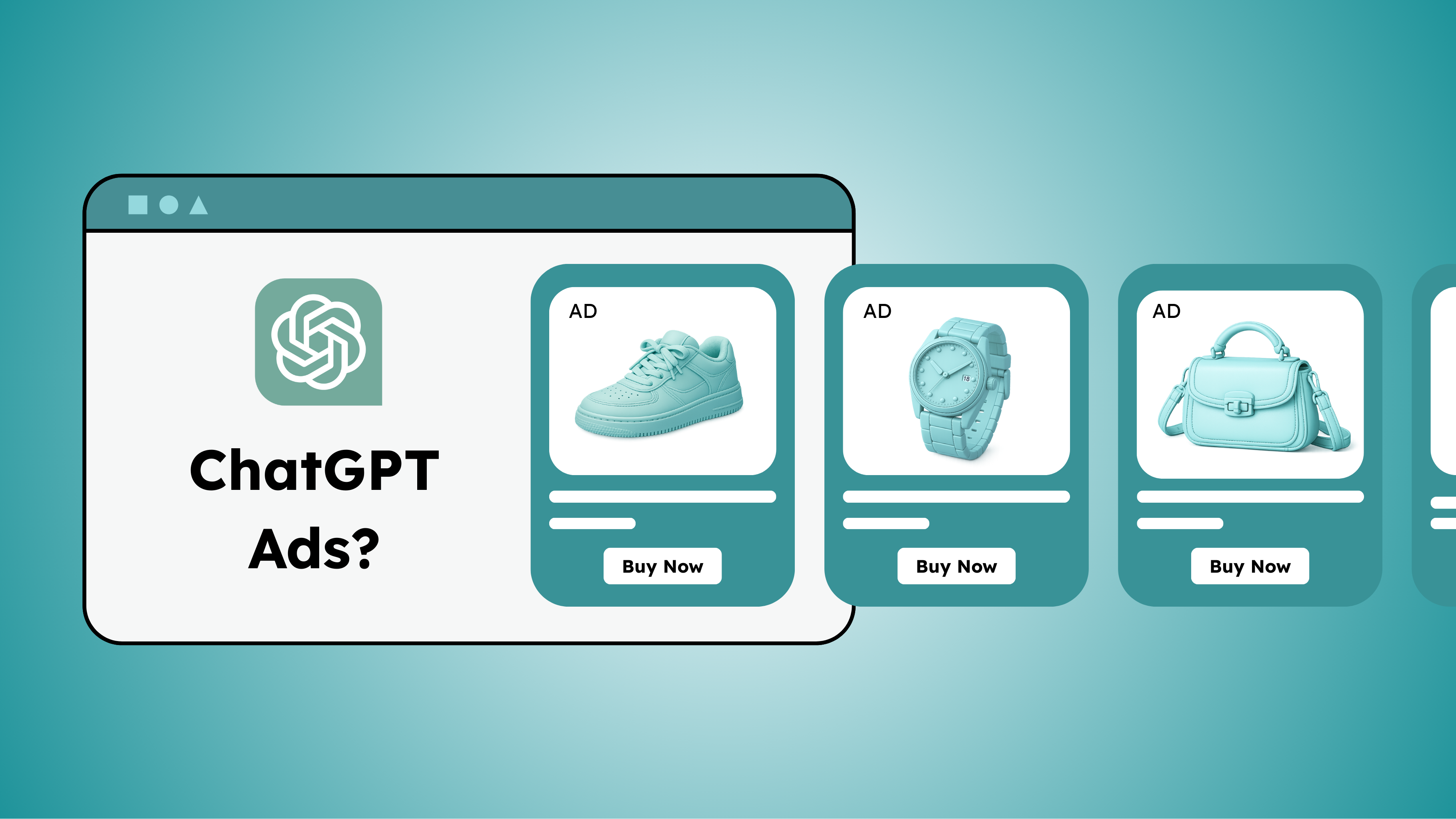
OpenAI has started expanding the functionality of its Ad Manager platform, which is currently in beta and available in the U.S.
The platform is still early, and many features that advertisers expect from mature search and social platforms are still limited. But OpenAI has added daily budgeting, more granular geo-targeting, and aggregated reporting totals. These may sound basic, but they matter because they move ChatGPT advertising closer to a more usable performance channel.
Crealytics' Take
OpenAI is still far from Google or Meta in advertising infrastructure, but the direction is obvious. It is slowly building the controls advertisers need to test, manage, and scale campaigns. The early opportunity is not perfect reporting or mature optimization. It is learning how ads behave inside AI conversations before the channel becomes more competitive.
3. TikTok Expands AI Ad Tools at TikTok World 2026
At TikTok World 2026, TikTok announced new AI-powered ad tools and interactive formats designed to help brands create, optimize, and scale campaigns more easily.
This matters because TikTok is already one of the strongest platforms for discovery-led behavior. With more AI tools built into the platform, the gap between content creation, media buying, and commerce becomes smaller. Brands can move faster from idea to execution, while TikTok gains more influence over how creative is built, tested, and distributed.
Crealytics' Take
TikTok’s updates point to the same broader pattern: platforms are turning creative production into a more automated process. That can help brands scale content faster, but it also raises the bar for creative strategy. If everyone can produce more assets, the advantage shifts to knowing which ideas are worth scaling in the first place.
4. Netflix Makes Its Ad Business More Measurable and AI-Led
Netflix is continuing to build its ad business beyond premium reach. At its latest upfront presentation, the company introduced new tools and capabilities across planning, buying, programmatic access, measurement, and AI-driven optimization.
Netflix is also testing AI agents to manage, optimize, and purchase ads, while using AI to adapt advertiser assets across different formats and improve how creative fits within the Netflix environment. The platform is also expanding its ad-supported plan into more markets, giving advertisers access to a larger global audience.
Crealytics' Take
Streaming is becoming more performance-oriented. Netflix is trying to prove that it can offer more than brand-safe reach and premium attention. The move toward better planning, buying, and measurement tools shows that streaming platforms want a bigger role in performance budgets, not just upper-funnel media plans.
What These AI-Led Advertising Shifts Mean for Performance Marketing
Across all four updates, the direction is consistent. AI is moving beyond isolated campaign features and becoming part of the operating system of advertising.
Search is becoming conversational. Shopping is becoming more agentic. Creative production is becoming faster. Media buying is becoming more automated. Measurement is being rebuilt around longer, less linear journeys.
For advertisers, this makes the quality of inputs more important than ever. Feeds, assets, conversion data, creative strategy, and audience signals will shape how effectively AI systems act on a brand’s behalf.
The platforms are becoming more automated. The strategic work is becoming more important.
Relevant Insights:
· Article: ChatGPT Ads: A Strategic Preparation Guide for Digital Media Leaders
· Article: Personalization in Marketing with GenAI: Data-Driven Strategies for Better Engagement
About Crealytics
Crealytics is an award-winning full-funnel digital marketing agency fueling the profitable growth of over 100 well-known B2C and B2B businesses, including ASOS, The Hut Group, Staples and Urban Outfitters. A global company with an inclusive team of 100+ international employees, we operate from our hubs in Berlin, New York, Chicago, London, and Mumbai.
EXPERT INSIGHTS